Blog > What Types of Flooring Make the Most Sense for Area Rugs
What Types of Flooring Make the Most Sense for Area Rugs
Mon, Jan 19, 2026
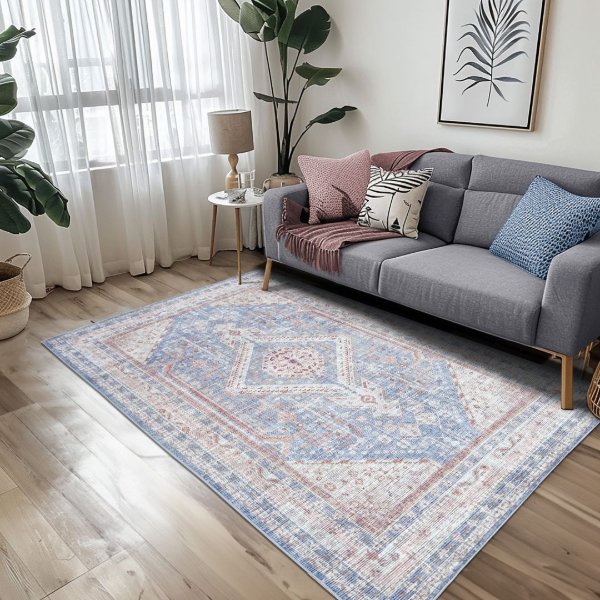
Area rugs are one of the most versatile design elements in a home. They add warmth, texture, color, and personality while also helping define spaces, reduce noise, and protect flooring. But not all flooring surfaces work equally well with area rugs. Choosing the right combination of flooring and rugs can impact both aesthetics and functionality. Here's some tips to help you determine what types of flooring pair best with area rugs - and why.
Hardwood Flooring: A Top Choice
Hardwood floors and area rugs are a perfect pair. Wood provides a smooth, stable surface that allows rugs to lie flat without excessive shifting, especially when used with a rug pad.
Why it works:
- Creates contrast between the warmth of wood and the softness of a rug
- Helps prevent scratches and wear in high-traffic areas
- Adds comfort underfoot in living rooms, bedrooms, and dining areas
Tip: Use a non-slip rug pad to protect the wood finish and keep the rug in place.
Tile Flooring: Practical and Stylish
Tile is another excellent base for area rugs. Since tile can feel cold and hard, rugs soften the space and make rooms more inviting.
Why it works:
- Helps reduce noise and echo in open spaces
- Adds warmth to kitchens, entryways, and bathrooms
- Protects tile from heavy furniture or foot traffic
Tip: Choose low-profile rugs in kitchens or entryways to prevent tripping hazards.
Luxury Vinyl Plank (LVP) and Laminate: Rug-Friendly Options
Modern LVP and laminate flooring are designed to be durable, making them ideal for pairing with area rugs.
Why it works:
- Smooth surface keeps rugs from bunching
- Adds comfort and style without compromising durability
- Works well in high-traffic spaces like family rooms and playrooms
Tip: Avoid rubber-backed rugs, which can discolor certain vinyl finishes over time.
Carpet: Not Always Ideal, But Possible
While it may seem unnecessary to place a rug over carpet, it can still make sense in certain situations.
Why it works:
- Helps define spaces in large, open rooms
- Adds visual interest or a pop of color
- Protects carpet in heavily used areas such as playrooms.
Challenges to note:
- Rugs can shift more easily on carpet
- Thick pile carpet may make rugs wrinkle or buckle
- It can cause people to trip.
Tip: Use a specialized rug pad designed for carpet to keep the rug stable.
The best flooring for area rugs ultimately depends on your lifestyle, design preferences, and how you use each space. Hardwood, tile, LVP, and laminate tend to be the most rug-friendly options, while carpet can also work with the right rug and pad.
If you're choosing new flooring or styling your space, consider how area rugs will play a role in both function and design. The right combination can transform any room into a more comfortable, cohesive, and visually appealing environment. For additional questions and tips on how to best utilize area rugs with your floors, contact Jason’s Carpet and Tile at 954-231-4487.