
Blog > What South Florida Condo Owners Need to Know Before Replacing Their Floors
What South Florida Condo Owners Need to Know Before Replacing Their Floors
Monday, June 20, 2026
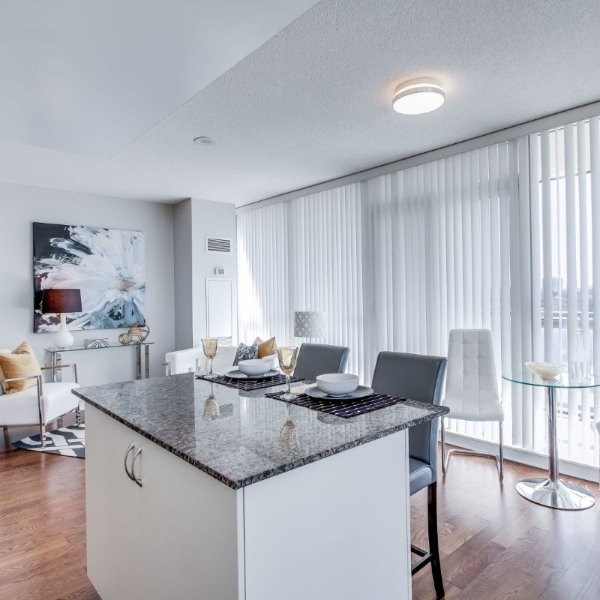
Replacing the flooring in a condominium can completely transform the appearance, comfort and value of your home. However, flooring projects in condos often involve additional requirements that do not apply to single-family homes.
Before selecting tile, carpet, luxury vinyl, laminate or hardwood, condo owners need to consider association approval, sound-control standards, installation policies and the condition of the existing subfloor.
Taking the right steps before installation can help prevent delays, unexpected expenses and potential issues with your condominium association.
Review Your Condominium's Flooring Rules
Your first step should be reviewing your condominium declaration, bylaws and renovation guidelines.
Many condo associations have specific rules governing flooring replacements, especially when an owner wants to replace carpet with a hard-surface material such as:
- Tile
- Hardwood
- Laminate
- Luxury vinyl plank
- Waterproof flooring
These rules are typically intended to reduce noise between units and protect shared areas of the building.
Your association may require you to submit a renovation application that includes information about the flooring, underlayment, installer and projected installation dates. Some buildings also require a refundable construction deposit before work begins.
Do not assume that a flooring product is automatically approved simply because another unit has something similar. Building policies can change, and different floors or sections of a property may have different requirements.
Most importantly, always request written approval before purchasing materials or scheduling installation.
Understand the Soundproofing Requirements
Sound transmission is one of the biggest concerns when replacing flooring in a multi-story condominium.
Carpet and padding naturally help absorb footsteps, dropped objects and other impact sounds. When carpet is replaced with tile, wood, laminate or vinyl, more noise may travel into the unit below unless the proper sound-control system is installed.
Condo flooring requirements commonly refer to two sound ratings:
Impact Insulation Class
Impact Insulation Class, or IIC, measures how effectively a floor-and-ceiling assembly reduces impact noise. This includes sounds created by footsteps, moving furniture and objects falling on the floor.
Sound Transmission Class
Sound Transmission Class, or STC, measures how effectively an assembly reduces airborne sound, including voices, music and television noise.
Florida's multi-family building standards use IIC and STC ratings to evaluate acoustic separation between residential units, but individual condo associations may require performance that exceeds minimum building-code standards.
Ask your association for its exact sound-rating requirements before selecting an underlayment. Product specifications should also be reviewed carefully because sound-test results can vary depending on the concrete slab, ceiling system and complete installation assembly used during testing.
The Underlayment Matters
The visible flooring is only one part of a successful condo installation. The material underneath it can be equally important.
Underlayment may help:
- Reduce impact noise
- Improve comfort underfoot
- Address minor imperfections in the subfloor
- Provide moisture protection
- Meet association sound-control requirements
However, not every underlayment works with every flooring product. A system designed for laminate may not be appropriate for tile or glue-down luxury vinyl and vica-versa.
Some flooring products include attached padding, but that does not automatically mean they satisfy your building's requirements. Your association may request technical data sheets or laboratory testing documentation for the complete flooring and underlayment assembly.
A flooring professional such as one from Jason’s Carpet and Tile can help you compare your association's requirements with the specifications of the materials you are considering.
Determine Whether Permits Are Required
Condo association approval and municipal permits are two separate matters.
A project approved by your condo board may still require approval from a local building department, depending on the location, scope of work and flooring system. Requirements can differ between cities and counties, so check with the appropriate building department before beginning the project.
Your association or property manager may also request:
- A copy of the contractor's license
- Proof of liability insurance
- Workers' compensation documentation
- A certificate of insurance naming the association
- Product specifications
- Sound-testing documentation
- A detailed project description
Gathering these documents early can help keep the approval process moving.
Ask About Installation Hours and Building Access
Condominium buildings often restrict when contractors may enter the property and perform renovation work. Installation may only be permitted on certain weekdays and during specific hours. Weekend work may be prohibited, even when an installer is available.
Additional building policies may include:
- Reserving a service elevator
- Protecting elevator walls and floors
- Using designated entrances
- Signing contractors in and out
- Providing advance notice to management
- Protecting hallways and common areas
- Removing debris through an approved route
- Limiting where materials may be stored
- Restricting noise during certain hours
Ask your property manager or HOA about these policies before selecting installation dates. Elevator availability can be especially important because flooring materials, equipment and debris may require multiple trips.
Evaluate the Existing Subfloor
Many South Florida condos are built over concrete slabs. Before new flooring is installed, the concrete should be evaluated for moisture, cracks, uneven areas and adhesive residue from the previous floor.
Potential subfloor issues may include:
- High or low areas
- Cracks in the concrete
- Residue from old carpet or tile
- Loose or hollow flooring
- Moisture concerns
- Damaged patching compounds
- Uneven transitions between rooms
Flooring installed over an improperly prepared surface may develop movement, gaps, cracked tiles or other problems. Subfloor preparation may add time and cost to the project, but it provides the stable foundation needed for long-term flooring performance.
Plan for Flooring Transitions and Door Clearance
New flooring may sit higher or lower than the material being removed. That difference can affect:
- Interior doors
- Sliding doors
- Baseboards
- Kitchen appliances
- Closet tracks
- Bathroom fixtures
- Transitions between rooms
For example, changing from carpet to tile may require a new transition profile where the two materials meet. Doors may also need adjustment if the new floor assembly is thicker than the previous flooring.
These details should be evaluated before installation rather than addressed after the new floor is in place.
Protect Common Areas and Neighbor Relationships
Flooring replacement can create noise, dust and increased contractor traffic. Communicating with building management and nearby neighbors can make the process easier for everyone.
Follow all building policies related to:
- Dust containment
- Debris disposal
- Hallway protection
- Elevator use
- Contractor parking
- Daily cleanup
Professional installers should leave shared areas clean and avoid damaging elevators, walls, doors and corridors. It is also a good idea to inform the residents directly below and beside your unit about the planned installation dates.
Jason's Carpet & Tile can help you explore flooring options that match your design preferences, lifestyle and budget. With locations in Margate and Port St. Lucie, the team offers a wide selection of flooring products, professional installation and convenient in-home estimates.
Contact us today at 954-231-4487 to request a free estimate and take the next step toward beautiful new floors for your South Florida condo.