
Blog > What Happens If Your Flooring Style Is Discontinued?
What Happens If Your Flooring Style Is Discontinued?
Monday, September 14th, 2026
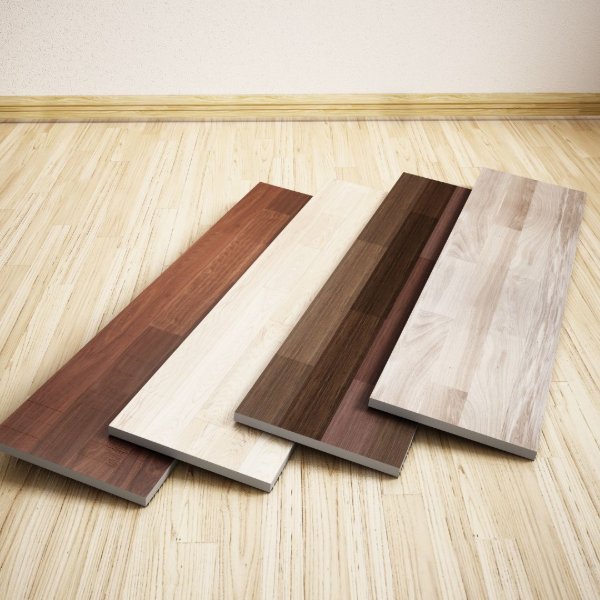
You find the perfect flooring, have it installed throughout your home, and love the finished look. Then, a few years later, you need to replace a damaged section or extend the flooring into another room-only to discover that the exact style has been discontinued.
This is more common than many homeowners realize.
Flooring manufacturers regularly update colors, collections, plank sizes, finishes, and product lines. A floor that is widely available today may be difficult or impossible to find several years from now.
Fortunately, a discontinued flooring style does not always mean you have to replace the entire floor.
Why Flooring Styles Get Discontinued?
Flooring products can be discontinued for many reasons.
Manufacturers may:
- Introduce new colors or designs
- Update product technology
- Change plank sizes or finishes
- Replace older collections
- Stop producing slower-selling styles
- Consolidate product lines
Trends also change over time. Colors and textures that were popular several years ago may be replaced with newer looks. This can affect hardwood, laminate, luxury vinyl, carpet, and tile.
Start by Identifying the Exact Product. Before looking for a replacement, determine exactly what flooring is installed in your home.
Useful information includes:
- Manufacturer
- Collection name
- Color
- Product number
- Plank or tile size
- Finish
- Installation date
Original invoices, leftover boxes, product labels, or paperwork from the installer can make this much easier.
If you do not have that information, a flooring professional may still be able to help identify the material or recommend a close alternative.
Check for Remaining Inventory
A discontinued product may still be available even after the manufacturer stops producing it. Flooring retailers including Jason’s Carpet and Tile, distributors, or warehouses may have remaining inventory.
In some cases, you may be able to locate enough material to complete a small repair or adjoining room. Availability can be limited, so it is usually best to search as soon as you know additional flooring is needed. Keep in mind that older inventory may come from a different production run, so there may be slight differences in color or texture.
Use Leftover Flooring for Repairs
One of the best reasons to keep extra flooring after installation is for future repairs. A few leftover planks or tiles can be extremely valuable if:
- A plank becomes damaged
- A tile cracks
- Water affects a small area
- A cabinet or wall is removed
- Flooring needs to be repaired near a doorway
For many installations, keeping several extra pieces can make future repairs much easier. Store leftover flooring in a dry, climate-controlled location whenever possible.
Can a Similar Flooring Style Be Matched?
Sometimes an exact match is unavailable, but a close alternative may work. A flooring professional can compare:
- Color
- Grain pattern
- Texture
- Gloss level
- Plank width
- Tile dimensions
- Edge profile
The goal is to find something that blends naturally with the existing floor. However, even products that look similar in a showroom may look noticeably different once installed next to older flooring. Age, sunlight, cleaning, and everyday wear can all change the appearance of an existing floor over time.
Consider Creating an Intentional Transition
If an exact match cannot be found, trying to disguise a slightly different product may actually make the difference more noticeable. In many cases, it is better to create a deliberate transition. For example, you might use a different flooring material in various different rooms to show contrast.
A transition strip, threshold, or doorway can provide a natural stopping point between the original floor and the new material. This approach can look intentional rather than like an unsuccessful attempt to match discontinued flooring.
Match the Tone Instead of the Exact Pattern
If you need to introduce a different product, focus on coordinating rather than matching perfectly. A new floor can complement the existing one by sharing similar warmth, lightness and texture.
For example, a medium-tone wood-look vinyl may pair well with an existing medium-tone hardwood floor even if the grain pattern is different. Trying to match two products that are almost-but not quite-the same can sometimes look more awkward than selecting a clearly complementary material.
Tile Can Be Especially Difficult to Match
Discontinued tile can present unique challenges. Even if you find the same brand and color, tile produced in a different batch may have slight variations in shade. Tile size can also change between collections. If only one or two tiles need replacement, leftover material is ideal. If no matching tile is available, homeowners may need to consider:
- Using a coordinating decorative tile
- Creating a border or accent
- Replacing tile in a defined section
- Updating the entire room
The best option depends on where the damaged tile is located.
Carpet May Offer More Flexibility
Carpet styles and dye lots also change over time. If an exact carpet is discontinued, it may be difficult to create a seamless patch in a highly visible area. However, carpet repairs can sometimes use material from a less noticeable location, such as inside a closet. The closet can then be replaced with a similar product.
This approach is not appropriate in every situation, but it may help when only a small amount of matching carpet is needed.
Hardwood Can Change Color Over Time
Matching hardwood can be especially complicated because natural wood changes as it ages. Sunlight, finishes, and oxidation can alter the appearance of existing boards. Even if you locate the same species and stain, newly installed wood may initially look different.
In some situations, refinishing a larger section of the floor can help create a more consistent appearance. A flooring professional can evaluate whether a repair, partial replacement, or refinishing approach makes the most sense.
Luxury Vinyl and Laminate Collections Change Frequently
Luxury vinyl and laminate manufacturers regularly update their collections. Plank dimensions, locking systems, textures, and colors can change even when a new product looks like an older one. This creates another challenge: the new plank may not physically connect to the existing flooring. A professional should confirm compatibility before you purchase replacement material.
Matching the color alone is not enough.
What If You Want to Extend the Flooring Into Another Room? Homeowners often encounter discontinued flooring when they remodel or open up an existing floor plan. For example, you may want to continue the same floor into a newly renovated kitchen or bedroom.
If the original flooring is unavailable, you have several options:
- Use a complementary flooring material
- Create a transition at the doorway
- Replace flooring in a larger connected area
- Choose a contrasting design intentionally
Open-concept homes may require more careful planning because transitions are more visible.
Should You Replace the Entire Floor?
Usually, not immediately. A discontinued product does not automatically mean the entire floor must be replaced.
Full replacement may make sense when:
- The existing flooring is already worn
- A large area is damaged
- Multiple repairs are needed
- The new flooring would be directly beside the old material
- You are already planning a major renovation
For smaller issues, targeted repairs or intentional transitions may be more cost-effective.
How Much Extra Flooring Should You Keep? ( A question we always get)
When installing new flooring, ask your installer how much extra material is reasonable to keep. The amount will depend on a variety of factors including the product, room size, pattern, and future availability.
Extra material can be useful for:
- Repairs
- Future remodeling
- Replacing damaged pieces
- Matching transitions
Be sure to keep the original product label or box information along with the leftover material. That information can be just as important as the flooring itself.
Plan Ahead When Buying New Flooring
Before choosing a new floor, consider asking your supplier:
- Is this part of a current collection?
- How long has the product been available?
- Can additional material be ordered later?
- Should extra boxes be purchased now?
- Does the manufacturer frequently update the collection?
- Is the product used nationwide or part of a limited line?
No flooring product is guaranteed to remain available forever, but planning ahead can make future repairs much easier.
What to Do If Your Flooring Has Been Discontinued
If you discover that your flooring is no longer available, do not panic. Start by:
- Identifying the exact product
- Checking for remaining inventory
- Looking for stored leftover material
- Comparing similar products
- Evaluating intentional transitions
- Asking a flooring professional about repair options
There may be several solutions that allow you to avoid replacing an entire floor.
Let Jason's Carpet & Tile Help You Find the Best Solution
Discontinued flooring can be frustrating, but the right approach can help preserve the look of your home without unnecessary replacement. Jason's Carpet & Tile can help homeowners evaluate existing flooring, compare replacement options, and determine whether a close match, coordinating product, or new transition makes the most sense.
Whether you need to repair damaged flooring, continue flooring into a new space, or replace an older floor entirely, professional guidance can help you choose the best path forward.
Contact us today at 954-231-4487 to schedule a free estimate and explore flooring options for your South Florida home.