
Blog > What Goes Under Carpet? Everything You Need to Know Before Installation
What Goes Under Carpet? Everything You Need to Know Before Installation
Monday, July 13, 2026
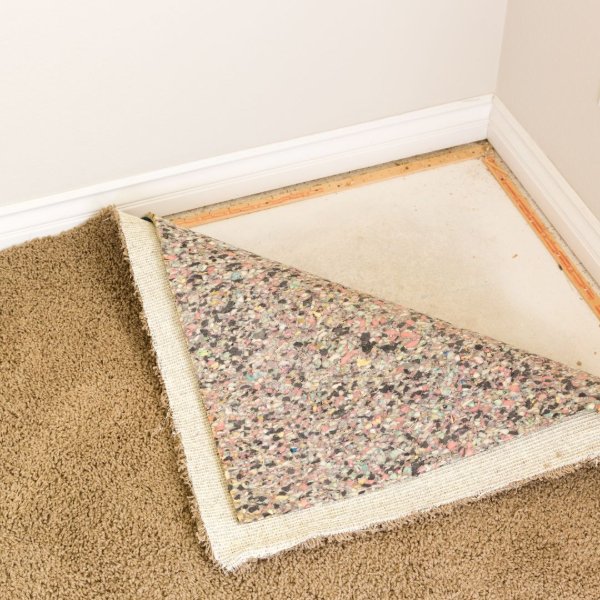
When most homeowners think about new carpet, they focus on color, texture, and style. But one of the most important parts of your flooring isn't what you see-it's what's underneath.
The materials installed beneath your carpet play a major role in comfort, performance, longevity, and even indoor noise levels. Whether you're replacing old flooring or installing carpet in a new home, understanding what goes under carpet can help you make a more informed decision.
At Jason's Carpet & Tile, we help homeowners choose the right flooring system from the ground up. Here's everything you need to know about what goes underneath your carpet.
The Foundation: The Subfloor
Every carpet installation begins with the subfloor. This is the structural surface that supports your finished flooring.
Common types of subfloors include:
- Plywood or OSB (Oriented Strand Board): Most common in residential homes.
- Concrete Slabs: Frequently found in Florida homes, condominiums, and commercial buildings.
Before carpet is installed, the subfloor should be:
- Clean and free of debris
- Dry with no moisture issues
- Level and smooth
- Structurally sound
If the subfloor has damage, uneven areas, or moisture problems, these should be addressed before installation begins.
Carpet Padding: The Unsung Hero
The layer directly beneath the carpet is called carpet padding or carpet cushion. This is one of the most important components of any carpet installation.
Quality carpet padding provides:
- Greater comfort underfoot
- Better insulation from heat and cold
- Noise reduction between rooms and floors
- Protection against premature carpet wear
- Improved resilience in high-traffic areas
Without quality padding, even premium carpet can wear out much faster.
Types of Carpet Padding
Not all carpet padding is the same. The best choice depends on your lifestyle, budget, and where the carpet will be installed.
Rebond Foam Padding
This is the most common residential carpet pad.
Benefits include:
- Excellent value
- Comfortable feel
- Good durability
- Suitable for most bedrooms and living areas
- Memory Foam Padding
Memory foam offers a softer, more luxurious feel.
Ideal for:
- Bedrooms
- Family rooms
- Spaces where comfort is the priority (such as a study)
Rubber Padding
- Rubber padding is extremely durable and performs well in high-traffic areas.
Advantages include:
- Long lifespan
- Excellent support
- Strong resistance to compression
Fiber Padding
Fiber padding is commonly used for certain commercial settings or specialty carpet applications where extra firmness is desired.
Choosing the Right Padding Thickness
Many homeowners assume thicker padding is always better. Surprisingly, that's not always true.
Padding that is too thick can actually:
- Reduce carpet stability
- Cause wrinkles over time
- Increase wear on the carpet backing
- Void some manufacturer warranties
Professional installers select the proper padding thickness based on the carpet manufacturer's recommendations and the intended use of the room.
Is a Moisture Barrier Necessary?
In some situations, a moisture barrier may be installed between the subfloor and the carpet padding.
This can be especially beneficial:
- On concrete slabs
- In areas prone to humidity or moisture
- When additional protection is desired
A moisture barrier helps protect both the carpet and the padding from moisture-related damage.
Tack Strips: Holding Everything in Place
Along the perimeter of most rooms, installers place narrow wooden strips with angled pins called tack strips.
These strips:
- Secure the carpet edges
- Create a smooth, professional finish
- Keep the carpet properly stretched
- Help prevent shifting and wrinkles
Although small, tack strips are an essential part of a quality installation.
Why Professional Installation Matters
Even the highest-quality carpet won't perform as intended if it's installed incorrectly.
Professional installation helps ensure:
- Proper subfloor preparation
- Correct padding selection
- Manufacturer-approved installation methods
- Accurate seam placement
- Proper stretching to minimize wrinkles and buckling
At Jason's Carpet & Tile, our experienced installation team pays attention to every layer-not just the carpet itself-to deliver results that look beautiful and perform for years. Choosing the right carpet is only part of the equation. The materials beneath your carpet are just as important for creating a comfortable, durable, and long-lasting floor. At Jason's Carpet & Tile, we'll help you select the right carpet, recommend the ideal padding for your lifestyle, and ensure every installation is completed with expert craftsmanship.
Whether you're updating a single room or replacing flooring throughout your home, our knowledgeable team is here to help you every step of the way.
Ready to upgrade your flooring? Contact Jason's Carpet & Tile today at 954-231-4487 to schedule your consultation and discover the perfect carpet solution for your home.