
Blog > Porcelain vs. Ceramic Tile: What's the Difference?
Porcelain vs. Ceramic Tile: What's the Difference?
Monday, June 15, 2026
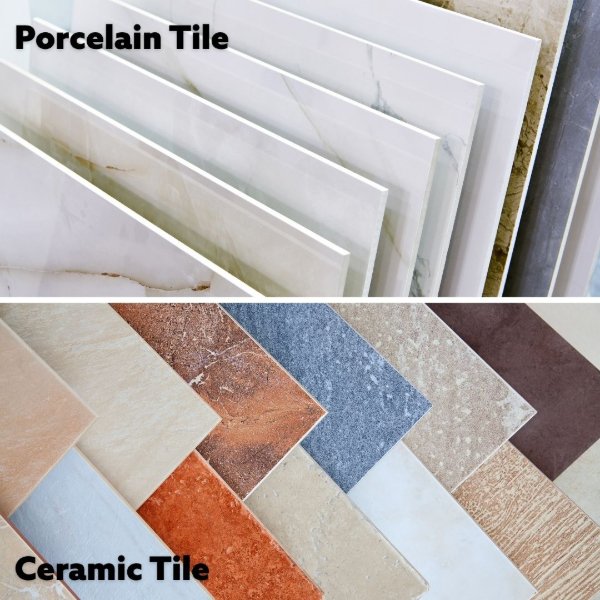
Tile is one of the most popular flooring and surface options for homeowners because it is durable, stylish, and easy to maintain. Whether you are updating a kitchen, bathroom, laundry room, shower, or main living area, tile offers a clean and timeless look that can work with almost any design style.
Two of the most common tile options are porcelain tile and ceramic tile. While they may look similar, there are important differences between the two. Understanding those differences can help you choose the right tile for your home, lifestyle, and budget.
What Is Ceramic Tile?
Ceramic tile is made from natural clay that is shaped, glazed, and fired in a kiln. It is a versatile option that comes in a wide variety of colors, patterns, finishes, and sizes.
Ceramic tile is often used for:
- Kitchen floors
- Bathroom floors
- Backsplashes
- Accent walls
- Laundry rooms
- Tub surrounds
One of the biggest benefits of ceramic tile is its design flexibility. It can create anything from a simple, classic look to a bold decorative statement. Ceramic tile is also typically more budget-friendly than porcelain, making it a popular choice for many home improvement projects.
What Is Porcelain Tile?
Porcelain tile is also made from clay, but it is fired at higher temperatures and made from a denser material. This process makes porcelain tile harder, less porous, and more resistant to water than standard ceramic tile.
Porcelain tile is often used for:
- Bathrooms
- Showers
- Kitchens
- Entryways
- High-traffic areas
- Outdoor spaces
- Commercial flooring
Because porcelain is dense and durable, it is a strong choice for areas that need to stand up to moisture, foot traffic, and everyday wear.
Key Differences Between Porcelain and Ceramic Tile
The main differences between porcelain and ceramic tile come down to durability, water resistance, installation, and cost.
1. Durability
Porcelain tile is generally more durable than ceramic tile. Because it is denser and harder, porcelain can better handle heavy foot traffic, making it a great option for busy households, hallways, kitchens, and commercial spaces. Ceramic tile is still durable, but it may be better suited for lighter-traffic areas or decorative applications, depending on the specific product.
2. Water Resistance
Porcelain tile is less porous than ceramic tile, which means it absorbs less water. This makes it a strong option for bathrooms, showers, laundry rooms, and areas where moisture is a concern. Ceramic tile can still work well in bathrooms and kitchens, especially when properly glazed and installed. However, porcelain is often the better choice for areas with frequent moisture exposure.
3. Cost
Ceramic tile is usually more affordable than porcelain tile. If you are working with a specific budget, ceramic may give you more design options at a lower price point. Porcelain tile can cost more, but its added durability and water resistance may make it a worthwhile investment, especially in high-use areas.
4. Installation
Porcelain tile is harder and denser, which can make it more difficult to cut and install. Because of this, professional installation is especially important. Ceramic tile is typically easier to cut and install, but professional installation is still recommended to ensure the tile is properly placed, leveled, grouted, and sealed when needed.
5. Best Uses
Ceramic tile is a great choice for backsplashes, walls, guest bathrooms, laundry rooms, and lower-traffic flooring areas. Porcelain tile is ideal for showers, bathroom floors, kitchens, entryways, high-traffic spaces, and areas where long-term durability is a priority.
Which Tile Is Right for Your Home?
The right choice depends on where the tile is being installed and how the space will be used. Choose ceramic tile if you want a budget-friendly, stylish, and versatile option for walls, backsplashes, or lighter-use areas. Choose porcelain tile if you need a stronger, denser, and more water-resistant option for bathrooms, showers, kitchens, entryways, or high-traffic spaces.
Both porcelain and ceramic tile can be beautiful choices. The key is selecting the right product for the right room.
Why Professional Tile Installation Matters
Even the best tile can underperform if it is not installed correctly. Proper installation helps prevent uneven surfaces, cracked grout, loose tiles, and moisture issues.
At Jason's Carpet & Tile, our team helps homeowners choose the right tile for their space and ensures it is installed with care. From flooring and backsplashes to custom showers and tub surrounds, we help bring your vision to life with quality materials and professional service. If you are comparing porcelain and ceramic tile for your next project, Jason's Carpet & Tile can help you make the right choice. Whether you are remodeling a bathroom, refreshing a kitchen, or updating your floors, our team can guide you through the best tile options for your home.
Contact Jason's Carpet & Tile today at 954-231-4487 to schedule a consultation and start planning your next flooring or tile project.