
Blog > How To Keep Your New Flooring Safe from Furniture Scratches
How To Keep Your New Flooring Safe from Furniture Scratches
Mon, Feb 9, 2026
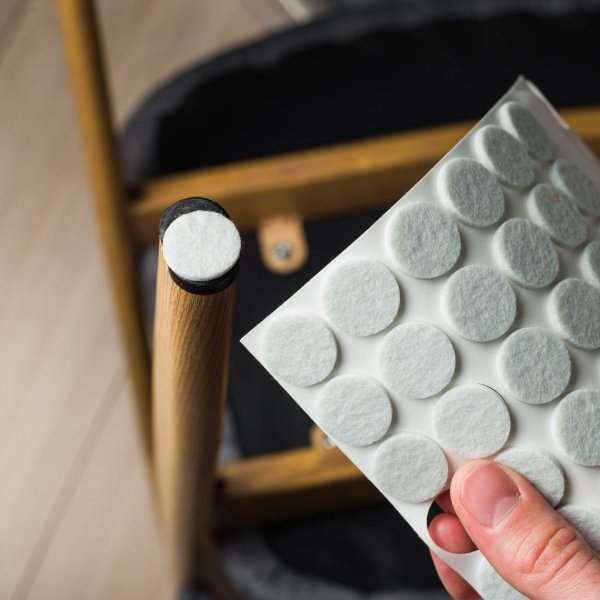
Here's the truth: most floor scratches come from hard edges + grit + movement. The right chair/furniture "foot" material creates a soft barrier and lets things glide without digging into your floor finish. So what can you do to keep your flooring looking its best when it comes to furniture interaction? Here are some solutions:
The best materials to put on chair legs and furniture feet
1) Felt pads (high-quality, dense felt)
Best for: hardwood, engineered wood, luxury vinyl plank (LVP), laminate, tile.
Why it works: felt cushions and glides smoothly, reducing friction and micro-scratches.
Pro tips:
- Choose thick, dense felt (cheap fuzzy pads compress fast).
- Look for felt + strong adhesive or felt nailed/screwed into wood legs for long-term hold.
- Replace when the pad looks shiny, thin, or picks up grit.
2) Rubber or silicone pads
Best for: tile and some laminates.
Use cautiously on: hardwood and LVP (can trap grit or "grab" and drag).
Why it works: rubber/silicone grips the floor, preventing sliding and shifting.
Pro tips:
- Great under furniture that should not move (sofas, dressers).
- Avoid "sticky" rubber that leaves marks; choose non-marking pads.
3) Nylon or plastic glides (snap-in or screw-on)
Best for: carpet, rugs, and some tile/stone.
Not ideal for: hardwood/LVP if the plastic is hard and picks up grit.
Why it works: designed to slide on softer surfaces; durable and long-lasting.
Pro tips:
- Use smooth, rounded glides (no sharp edges).
- Check them often-plastic can become abrasive if grit gets embedded.
4) PTFE/Teflon slider pads
Best for: heavy furniture on hard surfaces (tile, vinyl, laminate).
Why it works: very low friction, so big pieces move without digging in.
Pro tips:
- Great for occasional moves (rearranging), but for daily chair movement, felt is usually better.
5) Soft polyurethane casters (for rolling chairs)
Best for: hardwood, vinyl, laminate.
Why it works: standard hard casters act like little grinding wheels; soft PU rolls more gently.
Pro tips:
- If you have desk chairs, this is one of the biggest upgrades you can make.
- Pair with a chair mat if you roll constantly.
6) Caster cups / furniture coasters
Best for: heavy items (beds, pianos, recliners) on any hard surface.
Why it works: spreads weight and prevents point-load dents and scratches.
Pro tips:
- Choose felt-bottom caster cups for hardwood.
- Choose rubber-bottom cups for tile if you want grip.
What to use based on your floor type
- Hardwood / Engineered Wood: Dense felt pads (best all-around), soft casters, felt-bottom cups.
- Luxury Vinyl (LVP/LVT): Felt pads or PTFE sliders for heavy pieces; avoid gritty rubber pads that trap debris.
- Laminate: Felt pads or non-marking rubber for stationary furniture.
- Tile: Felt or rubber; avoid anything that can trap sand (which can dull grout and glaze).
- Carpet / Rugs: Nylon/plastic glides or casters designed for carpet.
Tips to actually prevent scratches (the stuff people skip)
1) Clean the feet first-every time
Before applying new pads, wipe chair legs/furniture feet with rubbing alcohol and let dry. Dirt and oils = pads fall off fast.
2) Pick the right attachment style
- Peel-and-stick felt: quick and works great if the surface is clean.
- Nail-on / screw-in felt: best for chairs that move a lot.
- Slip-on silicone caps: great for metal chairs or legs with odd shapes.
3) Use the right size pad (bigger is safer)
A pad that's too small concentrates weight and wears through faster. When in doubt, go slightly larger-just keep it fully under the leg.
4) Watch out for grit "sandpapering" your floor
Felt pads protect-until they become grit collectors. Vacuum around chair areas regularly and swap pads when they look dirty or flattened.
5) Don't drag heavy furniture-lift or slide properly
If you must move it:
- Put felt sliders or PTFE sliders under each foot,
- Move slowly,
- Remove sliders afterward so you're not trapping dirt long-term.
6) Add rugs in high-movement zones
A small rug under dining sets or desk chairs can dramatically cut wear. Use a rug pad so the rug itself doesn't shift and scratch.
Quick shopping checklist
When you're buying pads/caps/glides, look for:
- "High-density felt"
- "Non-marking" rubber/silicone
- Screw-in/nail-on options for dining chairs
- Soft polyurethane replacement casters for office chairs
New flooring, no matter what it is, is a big investment and taking the proper care of it is essential for its longevity. For additional tips on how to keep it safe with furniture contact Jason's Carpet and Tile today at (954) 231-4487.