
Blog > How to Deal With Water Damage on Tile Floors (Before It Becomes a Bigger Problem)
How to Deal With Water Damage on Tile Floors (Before It Becomes a Bigger Problem)
Mon, Jan 12, 2026
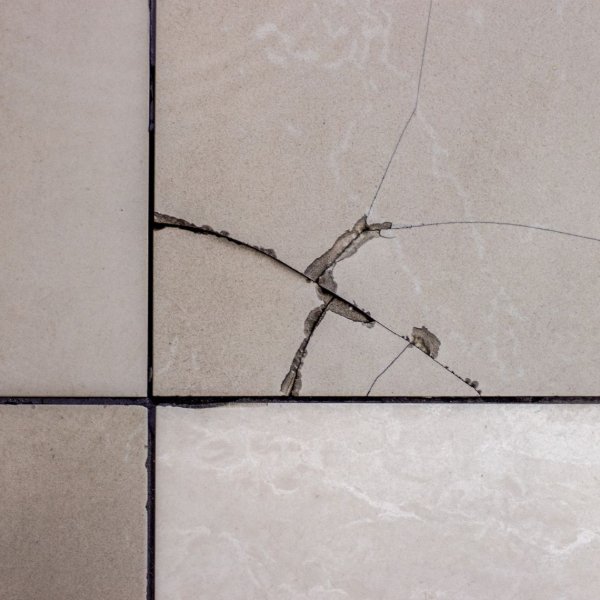
Tile floors are known for being durable and water-resistant - but that doesn't mean they're immune to water damage. Leaks, floods, and prolonged moisture can still cause serious issues beneath and between tiles if not addressed quickly and correctly. If you've noticed stains, loose tiles, mold smells, or cracks, water damage may already be at work. Here's how to identify, handle, and prevent water damage on tile floors before it turns into an expensive repair.
Signs of Water Damage on Tile Floors
Even though tile itself doesn't absorb much water, moisture can penetrate grout, subfloors, and adhesives. Here are a few things to watch for:
- Loose or shifting tiles
- Cracked grout or missing grout lines
- Dark stains, discoloration, or white powdery residue
- Musty odors or visible mold
- Warped baseboards or soft spots near tile edges
If you see any of these, act quickly as the longer moisture remains, the more damage it can cause.
Here are steps for what to do:
Step 1: Stop the Water Source Immediately
Before repairing anything, identify and stop the source of water. It could come from a variety of sources including a leaking appliance (dishwasher, fridge, washing machine), plumbing leak behind walls or under floors, roof or window leaks and even from flooding from storms.
If the source isn't obvious, a plumber or leak detection specialist can help locate hidden moisture.
Step 2: Dry the Area Completely
Moisture trapped beneath tiles can lead to mold growth and structural damage, sometimes very quickly. Use fans, dehumidifiers, and open windows to increase airflow. In addition, remove standing water immediately with towels, wet/dry vacuums, or pumps.
If water has penetrated under the tile, professional drying equipment may be necessary. Remember, drying is not just cosmetic - it's essential for preventing future problems.
Step 3: Inspect for Hidden Damage
Once dry, check for: Hollow-sounding tiles (tap gently to listen for air pockets), soft or swollen subfloor areas, mold behind baseboards or under cabinets and crumbling or separating grout.
This step helps determine whether repairs will be surface-level or if deeper restoration is required.
Step 4: Repair or Replace Damaged Areas
Depending on the severity will determine if you can repair or need to replace your tiles. In some situations, you may be able to re-grout cracked or missing grout lines and replace individual loose tiles.
If there was moderate damage you can remove and replace sections of tile where water compromised the adhesive or subfloor and treat any mold with proper remediation methods.
If there was severe damage and the subfloor is warped, rotting, or moldy, tiles should more than likely be replaced from a reputable flooring company such as Jason’s Carpet and Tile. We can assist in making the right decisions to help prevent future water damage and provide beautifully new flooring that you can enjoy for years to come! For a free estimate call 954-231-4487.