
Blog > How to Deal With Flooring Around Long Vertical Blinds and Sliding Glass Doors
How to Deal With Flooring Around Long Vertical Blinds and Sliding Glass Doors
Mon, Dec 2, 2025
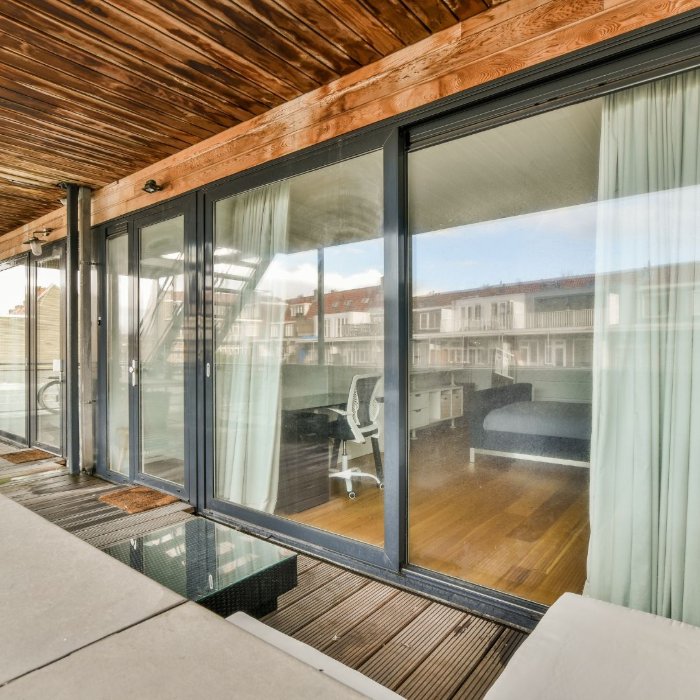
Sliding glass doors and long vertical blinds are beautiful design elements that bring natural light into any home, whether it be a bedroom or living room. But though, when it comes to flooring, they can also present unique challenges. From clearance issues to moisture exposure and wear patterns, the area around sliding glass doors requires thoughtful planning tofor both your flooring and window treatments.
Here’s how to handle the situation properly:
Understand the Clearance Problem
One of the biggest issues with vertical blinds and sliding glass doors is clearance. The track for the blinds and the door itself often sits just above the floor. Thick materials like plush carpet or oversize rugs can interfere with the smooth sliding motion of the door or cause the blinds to catch and drag.
Practical Tip: Choose low-profile flooring in these areas such as luxury vinyl plank (LVP), tile, or engineered hardwood. They all provide a sleek look without obstructing door and blinds function.
Protect Against Moisture and Sun Exposure
Sliding glass doors are a main entry point for moisture, especially during South Florida rainy and/or humid weather. They also bring in intense sunlight, which, in time can fade the colorization of certain types of flooring.
Some solutions for this situation include:
- Installing water-resistant flooring like porcelain tile or vinyl planks
- Adding small, low-profile indoor/outdoor mats to catch moisture
- Using UV-protective backing or tint on glass to reduce the amount of light coming into the home and causing the fading
If you’re working with hardwood, consider engineered wood instead of solid hardwood, as it handles temperature and moisture changes better.
Choose Durable Materials for High-Traffic Zones
Sliding doors are often used multiple times a day, making the space a heavy-traffic area. Over time, that foot traffic can lead to visible wear patterns in carpet or thin laminate.
For longevity of your floors, stick with:
- Porcelain or ceramic tile
- Luxury vinyl plank (LVP)
- Commercial-grade low-pile carpet squares (if you prefer soft flooring)
These materials can stand up to constant foot traffic and are easier to clean when dirt gets tracked in.
Pay Attention to Transitions
Transitions between rooms and flooring types are very important near sliding doors because uneven surfaces can be a safety hazard.. Poor transitions can also interfere with the blinds.
Always:
- Use slim, flush transition strips
- Keep flooring height consistent
- Avoid raised thresholds that blades or panels can snag on
A smooth transition enhances safety as well as the visual flow of the room.
Consider How Blinds Interact With Your Floor
Long vertical blinds often brush the surface of the floor. If they are too long, they can trap dirt, scratch flooring, or even fray at the ends — especially on tile or wood.
To prevent these types issues:
- Trim blinds so they sit ½ to 1 inch above the finished floor. You can even do this with common household scissors.
- Choose smooth, sealed flooring rather than textured surfaces
- Regularly vacuum and mop around the blinds to prevent buildup
If you’re installing new flooring, always measure AFTER installation before trimming blinds. This will prevent some big issues.
Important Tip: Install Flooring First
If you are renovating, install the flooring BEFORE installing blinds or door treatments. This ensures proper measurements, clean cuts, and no awkward gaps.
It also prevents damage to new blinds during construction.
Long vertical blinds and sliding glass doors don’t have to complicate your flooring plans. With the right materials, smart trimming, and thoughtful placement, this area can be both functional and elegant for years to come
Planning ahead and working with a professional such as Jason’s Carpet and Tile can make all the difference. Contact us today at 954-231-4487.