
Blog > Best Flooring for South Florida Homes with Pools
Best Flooring for South Florida Homes with Pools
Monday, July 27th, 2026
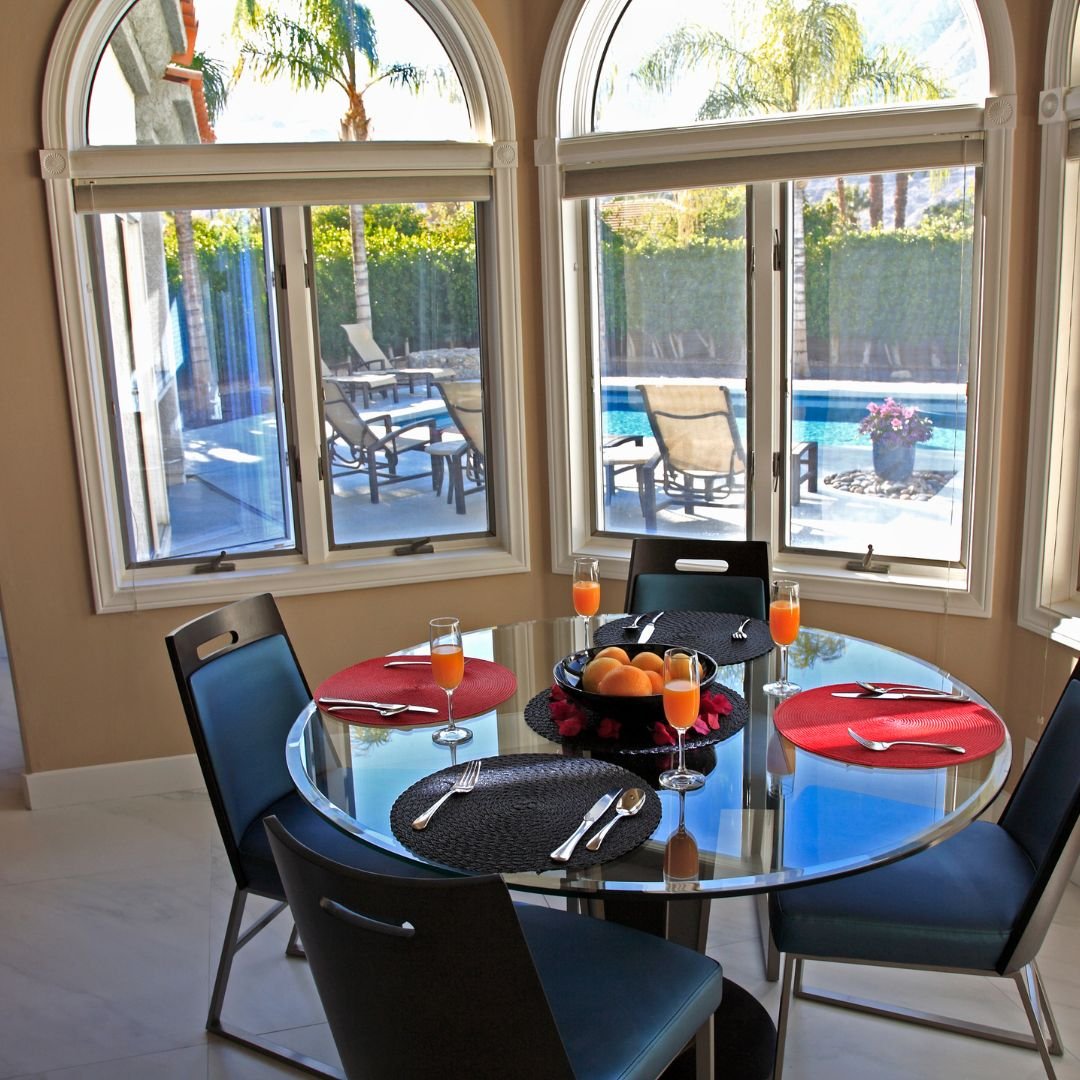
Pools, patios and outdoor living spaces are an important part of the South Florida lifestyle. They create the perfect setting for relaxing, entertaining and enjoying the warm weather throughout the year.
However, homes with pools also present unique flooring challenges. Wet feet, dripping swimsuits, tracked-in dirt and frequent movement between indoor and outdoor areas can make some flooring materials difficult to maintain-or potentially slippery.
Choosing the right flooring can help create a safer, more durable and visually connected space from the pool deck to the interior of your home.
Why Poolside Homes Need the Right Flooring:
- The flooring near a pool entrance experiences conditions that other areas of the home may not.
- Water is often tracked through sliding doors, kitchens, bathrooms and living areas. Sand, grass, leaves and pool chemicals may also be carried inside on shoes and bare feet.
Flooring in these areas should ideally offer:
- Moisture resistance
- Slip resistance
- Easy cleaning
- Durability
- Comfort under bare feet
- Resistance to fading from sunlight
- Smooth transitions between indoor and outdoor spaces
The best choice will depend on where the flooring is being installed, how frequently the area is used and the overall design of the home.
Prioritize Slip Resistance
Slip resistance should be one of the first considerations when selecting flooring for areas near a pool. A floor that feels safe when dry may become slippery when water is present. This is especially important around sliding doors, bathrooms, kitchens and pathways leading from the pool.
Textured and matte surfaces generally provide better traction than highly polished finishes. Flooring with subtle texture can help improve grip without making the surface uncomfortable or difficult to clean.
When shopping for flooring, ask whether the product is recommended for wet areas and review the manufacturer's specifications. Your flooring professional can also help you compare products based on the conditions in your home.
No flooring is completely slip-proof, so spills and standing water should still be cleaned promptly.
Porcelain and Ceramic Tile
Tile is one of the most popular flooring choices for South Florida homes with pools. Porcelain and ceramic tile can provide excellent resistance to water, stains and everyday wear. They are also easy to clean when wet footprints, sand or outdoor debris make their way inside.
Tile is available in many styles, including:
- Stone looks
- Wood looks
- Concrete-inspired designs
- Coastal colors
- Large-format options
- Indoor-outdoor coordinating collections
For pool-adjacent spaces, matte or textured tile is often a more practical choice than highly polished tile. Polished surfaces may become slippery when wet and can show footprints more easily.
Tile can work especially well in kitchens, bathrooms, Florida rooms, entryways and main living spaces with direct access to the patio.
Luxury Vinyl Flooring
Luxury vinyl flooring is another practical option for homes with pools and outdoor living areas.
Many luxury vinyl products are water-resistant or waterproof, making them easier to maintain in rooms where wet feet are common. Luxury vinyl can also provide a softer and warmer feel underfoot than tile.
It is available in realistic wood, stone and tile visuals, allowing homeowners to achieve a high-end appearance without the maintenance requirements of some natural materials.
Luxury vinyl may be a good choice for:
- Family rooms
- Bedrooms near the pool
- Open-concept living areas
- Cabana rooms
- Kitchens
- Laundry rooms
Although many luxury vinyl products are designed to handle moisture, water should not be allowed to remain on the floor for long periods. It is also important to choose a product that can tolerate the amount of direct sunlight entering through large windows and sliding glass doors.
Waterproof Laminate
Waterproof laminate can provide the look of natural wood with improved resistance to everyday moisture.
It may be suitable for homes where pool traffic occasionally moves through living rooms, hallways or kitchens. Modern laminate products can offer realistic textures and strong resistance to scratches and wear.
However, product performance can vary. Homeowners should carefully review the manufacturer's moisture limitations, cleaning instructions and warranty.
Waterproof laminate should not be confused with flooring designed for continuous outdoor exposure. It is intended for indoor use and should be protected from standing water.
Create a Smooth Indoor-Outdoor Transition
Flooring plays an important role in connecting a home's interior with its outdoor living areas. A well-planned transition can make the space feel larger, more cohesive and easier to navigate. This is especially valuable in homes with large sliding doors, covered patios or open-concept entertaining areas.
There are several ways to create a smoother transition:
Coordinate Colors and Patterns
The indoor and outdoor flooring materials do not need to be identical. Choosing complementary colors, textures or plank directions can create a connected appearance. For example, a wood-look porcelain tile inside may coordinate with a similarly toned outdoor paver. A light stone-look tile can also complement a neutral pool deck.
Consider Flooring Height
The interior floor and outdoor patio may sit at different heights. The transition should be evaluated before installation to reduce awkward changes in elevation. A professional installer, such as one from Jason’s Carpet and Tile can determine whether transition strips, threshold profiles or subfloor preparation will be necessary.
Proper planning is especially important around sliding glass doors, impact doors and tracks.
Choose the Right Transition Material
Transition pieces help protect the edges of the flooring and create a finished appearance where two surfaces meet. Depending on the flooring materials and height difference, a project may use:
- Reducer strips
- Thresholds
- T-moldings
- Metal transition profiles
- Coordinating tile trim
The transition should be secure, easy to clean and comfortable under bare feet.
Think About Drainage
Outdoor flooring should direct water away from the home. Water should not collect near the threshold or flow into the interior during heavy rain. Before installing new flooring, check the condition of the patio, sliding door tracks and exterior drainage. Flooring alone cannot correct an existing drainage issue.
Protect Flooring from Sand and Pool Chemicals
Pool water is not the only concern in South Florida homes. Sand, chlorine, salt and other outdoor materials can also affect flooring over time. Sand can act like an abrasive when it is trapped under shoes or dragged across the floor. Pool chemicals and saltwater residue may leave marks if they are not cleaned promptly.
To protect the flooring:
- Place absorbent mats near pool entrances
- Use an outdoor shower or foot-rinsing station
- Keep towels near the patio door
- Sweep or vacuum sand regularly
- Clean spills and wet footprints promptly
- Follow the flooring manufacturer's cleaning instructions
- Avoid harsh cleaning chemicals that may damage the finish
Mats should have a backing that is approved for the flooring type. Some rubber-backed mats can discolor certain flooring materials.
Consider Sunlight and Heat
Large windows and sliding glass doors can expose interior flooring to strong sunlight.
Over time, ultraviolet exposure may cause certain materials to fade or change color. Heat from direct sunlight can also affect some flooring products. Before choosing flooring for a sun-filled room, ask whether the product is suitable for areas with significant natural light.
Window treatments and UV-filtering glass may also help protect the floor and furnishings. Outdoor products should never be assumed to work indoors, and indoor flooring should not be installed outside unless the manufacturer specifically approves it for exterior use.
Professional Installation Makes a Difference
Even the best flooring product can experience problems when it is installed over an uneven or improperly prepared surface. South Florida homes are often built over concrete slabs. Before installation, the subfloor should be evaluated for moisture, cracks, low areas and old adhesive residue.
Professional installation from companies such as Jason Carpet and Tile can help ensure that:
- The subfloor is properly prepared
- Flooring is installed according to the manufacturer's instructions
- Transitions are secure and attractive
- Door clearances are evaluated
- Expansion requirements are followed
- The flooring system is appropriate for the room
Careful preparation is especially important near exterior doors, where moisture and changes in elevation may affect the installation.
Find the Right Flooring for Your South Florida Pool Home
Homes with pools and outdoor living areas need flooring that balances beauty, durability and everyday safety.
Porcelain tile, ceramic tile, luxury vinyl and waterproof laminate can all be considered, depending on the location and lifestyle of the household.
Jason's Carpet & Tile can help you compare flooring options for pool-access living areas, kitchens, bathrooms, Florida rooms and other indoor spaces. The team can also help you plan transitions, evaluate the existing subfloor and select products that complement your outdoor living area.
Contact Jason's Carpet & Tile today at 954-231-4487 to request a free estimate and explore flooring options for your South Florida home.